
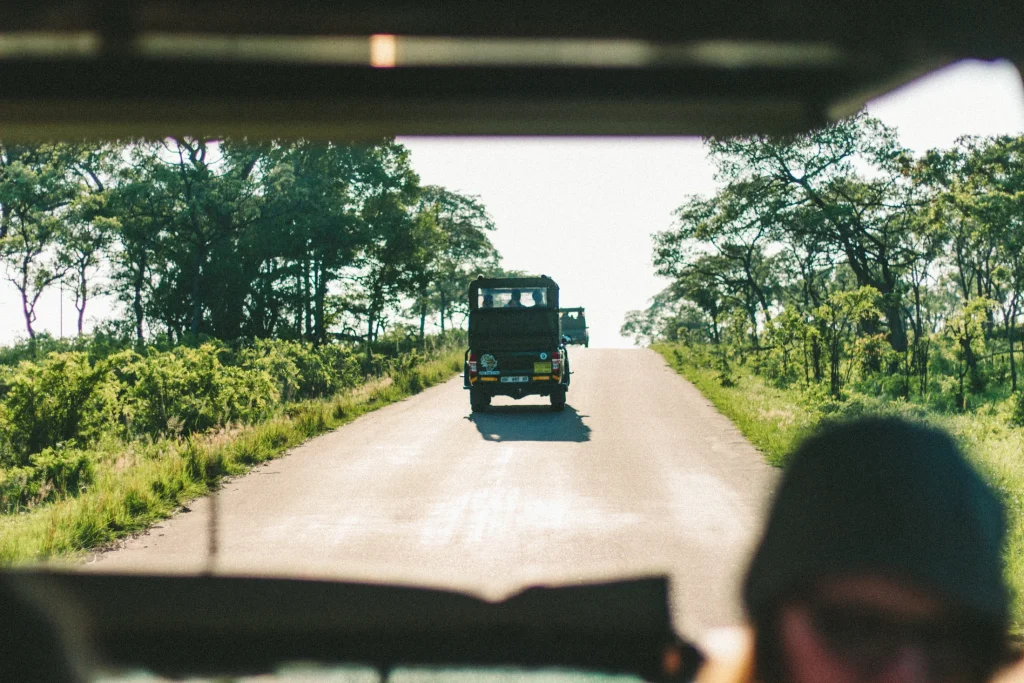

A Kruger and Lowveld journey can include several different settings: a gateway town, the national park and the escarpment around the Panorama Route. A useful plan makes those settings clear before trying to connect them. Begin with the experiences that matter to you, then place the practical arrangements around them.
Name the places before arranging the sequence
Write down the actual property, gate, camp, viewpoint or meeting point associated with each part of your visit. Broad labels such as “Kruger area” and “Panorama Route” are useful introductions, but they do not identify a particular entrance or explain how a collection will work.

Amazing Full Day Kruger National Park Big 5 Safari
Experience the wild beauty of Africa on a full day Kruger National Park safari. With guaranteed entry you avoid long queues and head straight into one...
Keep national-park visits, private-reserve experiences and other regional outings distinct. If a tour combines several settings, read the full route and ask who supplies each part. Similar promotional names do not establish identical inclusions.
Start with your fixed commitments
An arrival, departure or confirmed activity creates a practical boundary. Put those commitments into the plan first. Then decide which optional places fit the visit you want, leaving space for transitions and current circumstances instead of filling every interval.
- Confirm the arrival and departure arrangements already booked.
- Choose the particular places and experiences you most want to include.
- Match each one with its actual entrance or meeting instructions.
- Read current information from the responsible park, property or provider.
- Keep some time unassigned and agree how changes will be communicated.
Store the important confirmations where you can reach them without depending on one live webpage. Make clear which organization is responsible for each booking. A room, transfer and excursion may involve separate parties even when one person helped arrange them.
Use current information for current decisions
For the public park, use SANParks’ Kruger information and current notices. For a regional stop, consult the place or operator responsible for access. This guide provides context rather than live road, gate or operating status.
Use regional descriptions for orientation and keep the booking documents for the details of your own journey. Check the point of collection, the end of the service and the contact to use if plans change. Save those instructions alongside the confirmation.
Leave room for the different places
A town-based period of the journey can have a different rhythm from a park visit or an escarpment outing. That variety is part of the regional context. You do not need to add every named attraction in an overview to make the visit worthwhile.
Amazing Full Day Kruger National Park Big 5 Safari
Experience the wild beauty of Africa on a full day Kruger National Park safari. With guaranteed entry you avoid long...
Read the White River and Hazyview guide, then the park context and the canyon and Panorama Route guide. Compare the practical details of any organized visit against those interests. The aim is a clear journey that gives each chosen place enough attention.
Amazing Full Day Kruger National Park Big 5 Safari
Experience the wild beauty of Africa on a full day Kruger National Park safari. With guaranteed entry you avoid long queues and head straight into one...